Montilla-Moriles | Wine Region Notes
The Region at a Glance
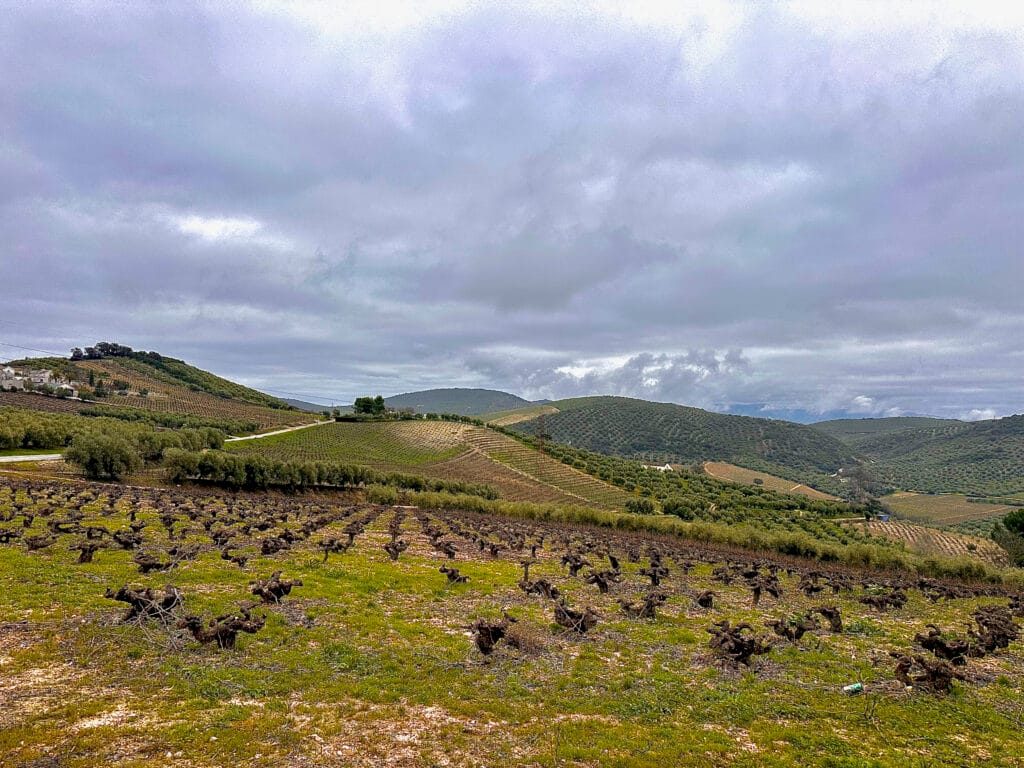
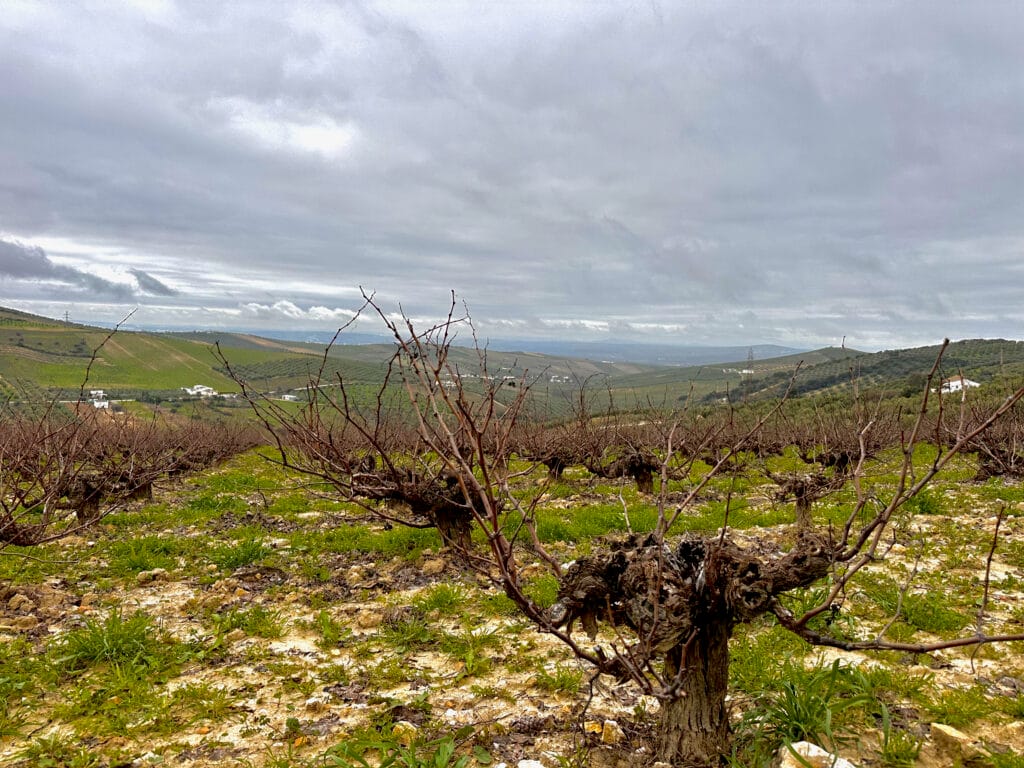
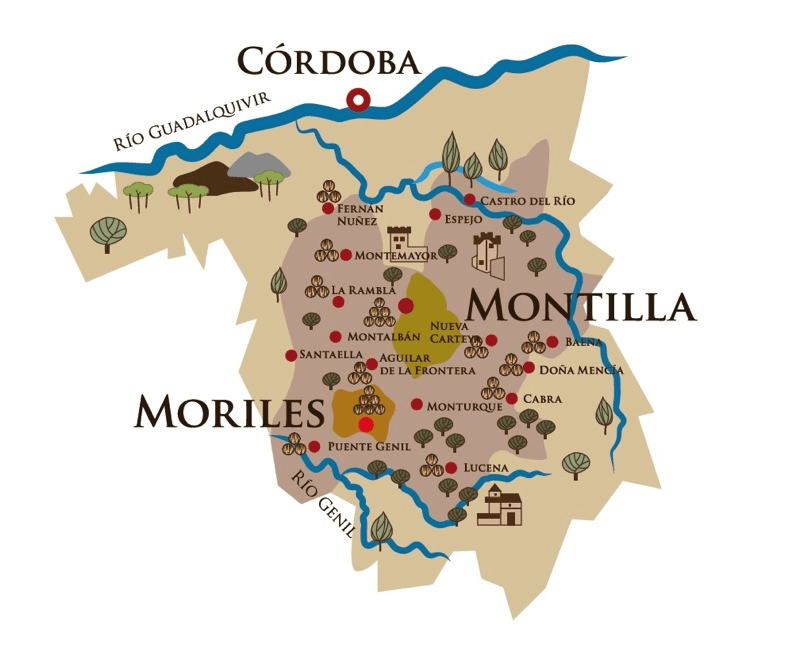
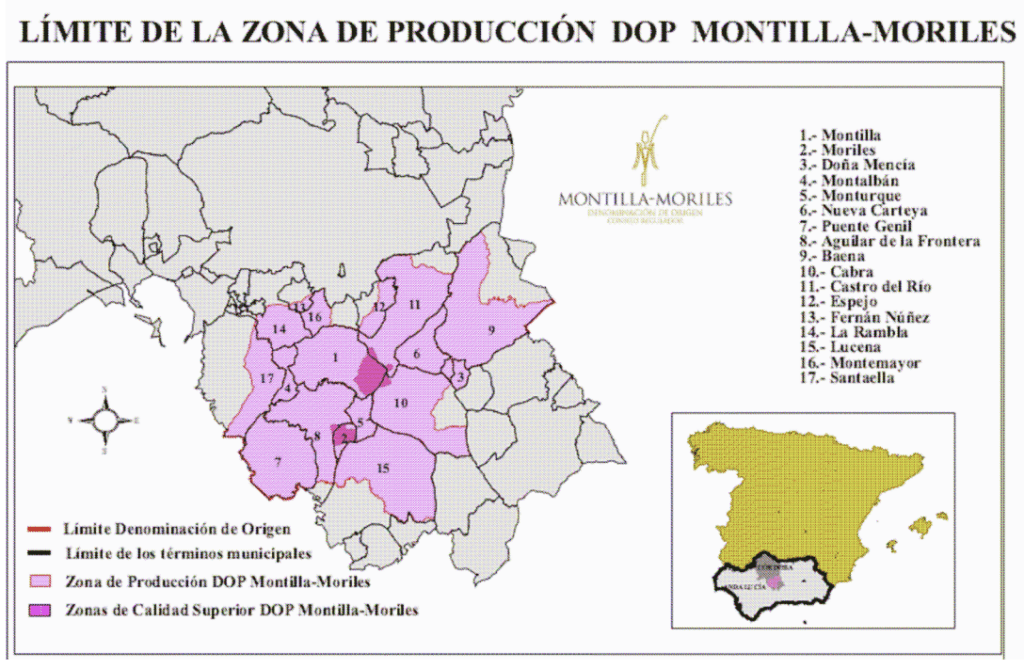
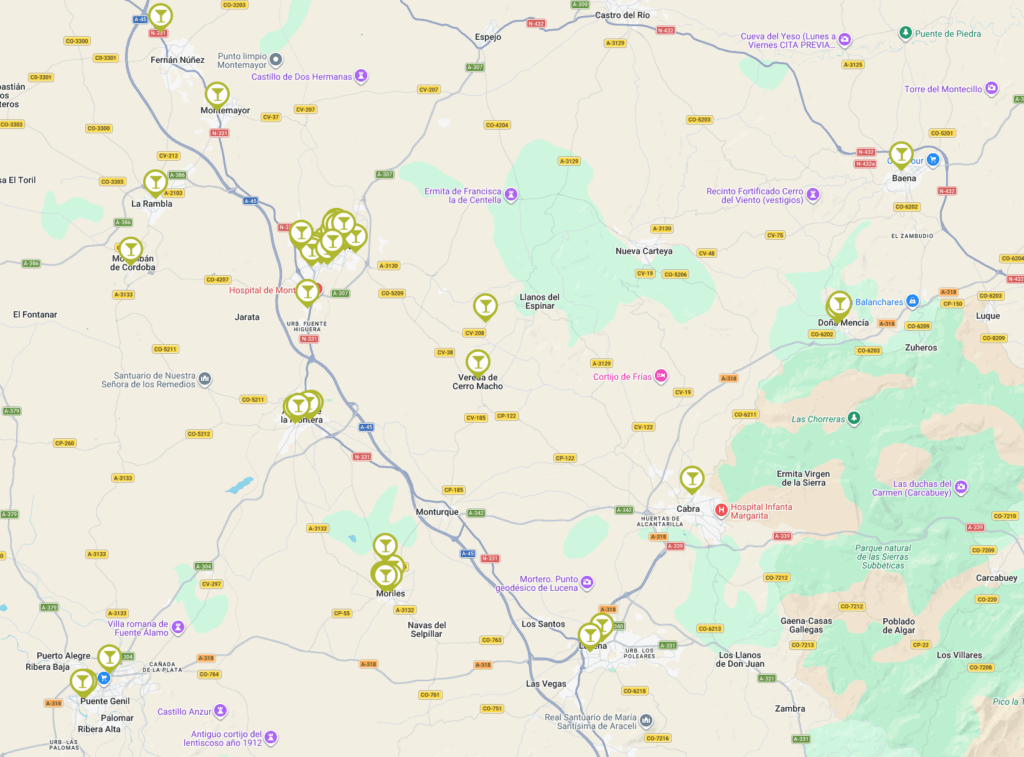
- Location: South of Córdoba, ~5,000 ha, 17 localities, 125-600m altitude
- Type: Vinos tradicionales andaluces: fino, amontillado, oloroso, dulces
- Grape: pedro ximénez (75%)
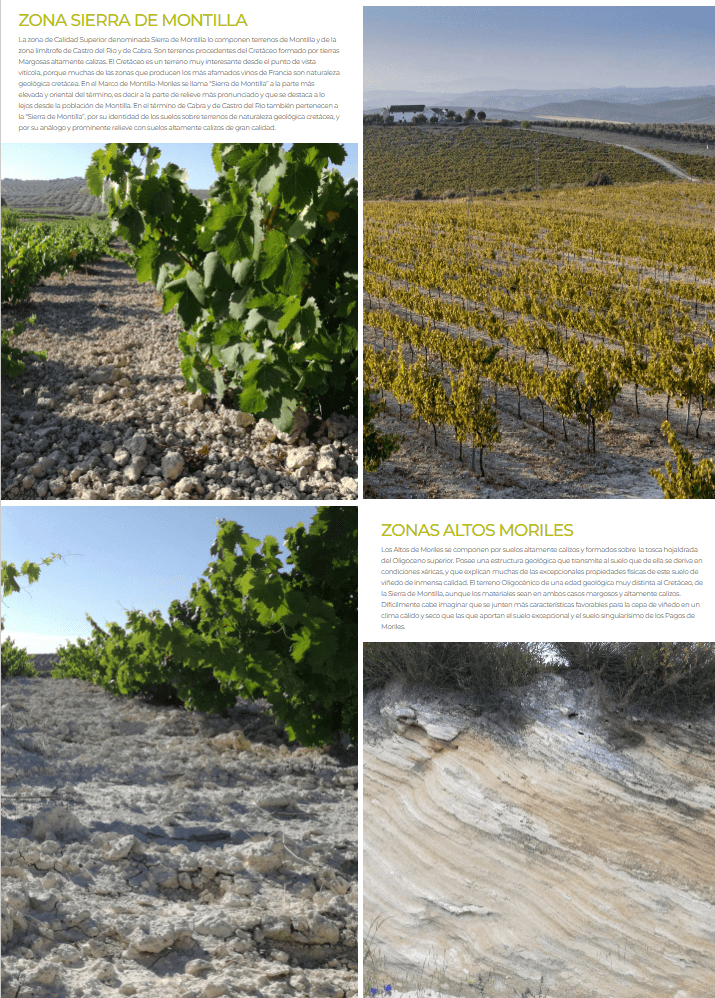
- Terroir: The best wines come from the Subzonas de Calidad Superior, Sierra de Montilla and Moriles Alto, characterized by white, chalky albero (alberiza) soils.
- Natural Strength: Unlike Sherry, Montilla-Moriles dry wines (like Fino) typically reach 15% ABV naturally through the extreme summer heat, preserving the pure character of the grape
- Asoleo: Sweet PX wines are made by sun-drying grapes on esparto mats for 4–10 days, concentrating sugars to incredible levels (often 400–500 g/l); almost all PX wine in Jerez originates from Montilla-Moriles
History
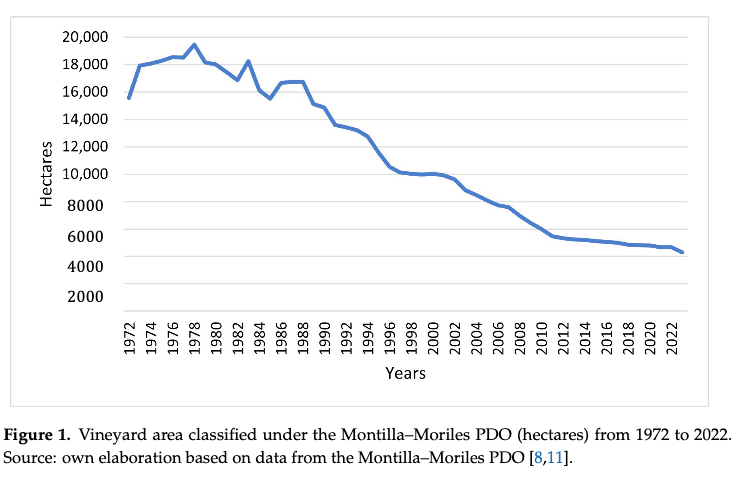
Current productive area around 5,000 ha (down from 20,000 ha in the 1970s), slightly smaller compared to Jerez.
For a short historical overview of the region, see article
Soils
Sierra de Montilla (hills east of Montilla) and Moriles Alto (north of Moriles) are designated Subzonas de Calidad Superior with albariza-type soils (locally called albero), at 400–600 m altitude. These are considered the ideal terroirs for Pedro Ximénez. Yields are limited to 60 hl/ha vs. 80 hl/ha in the broader DO.
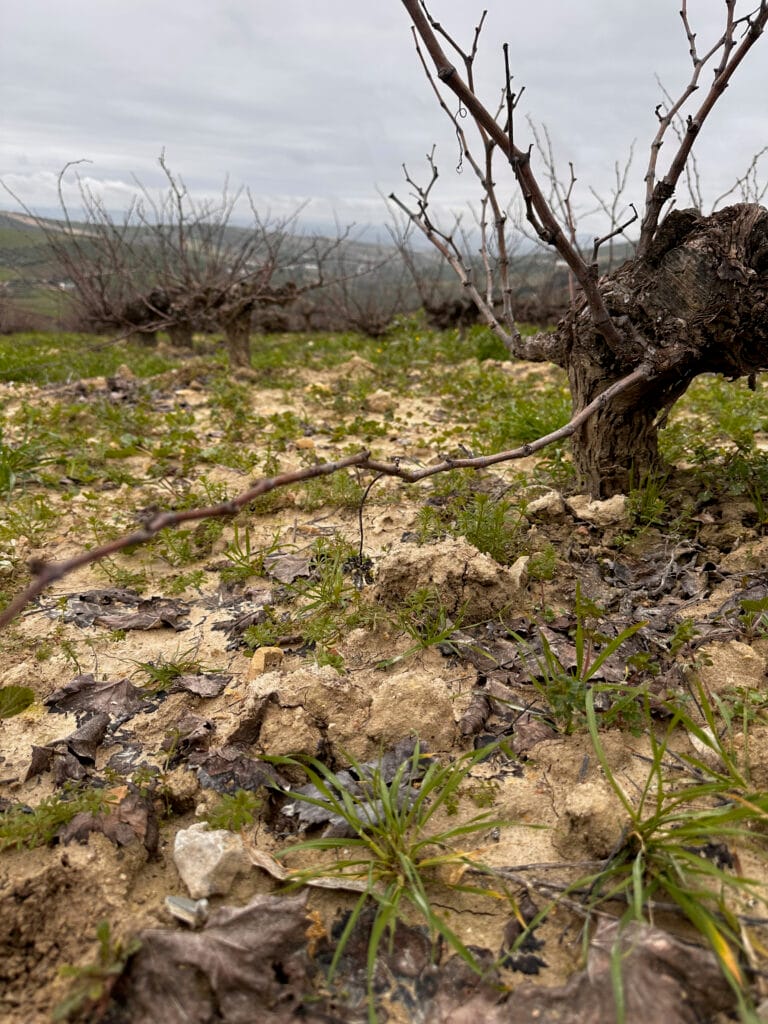
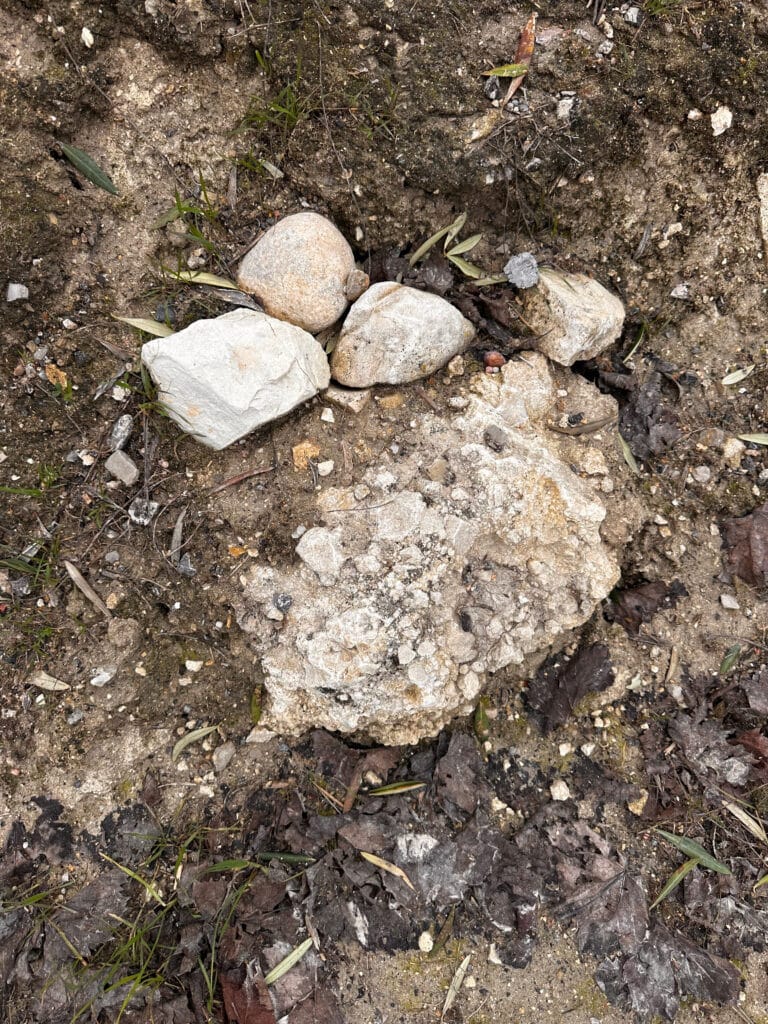
For a brief description of the soil types, see
Styles
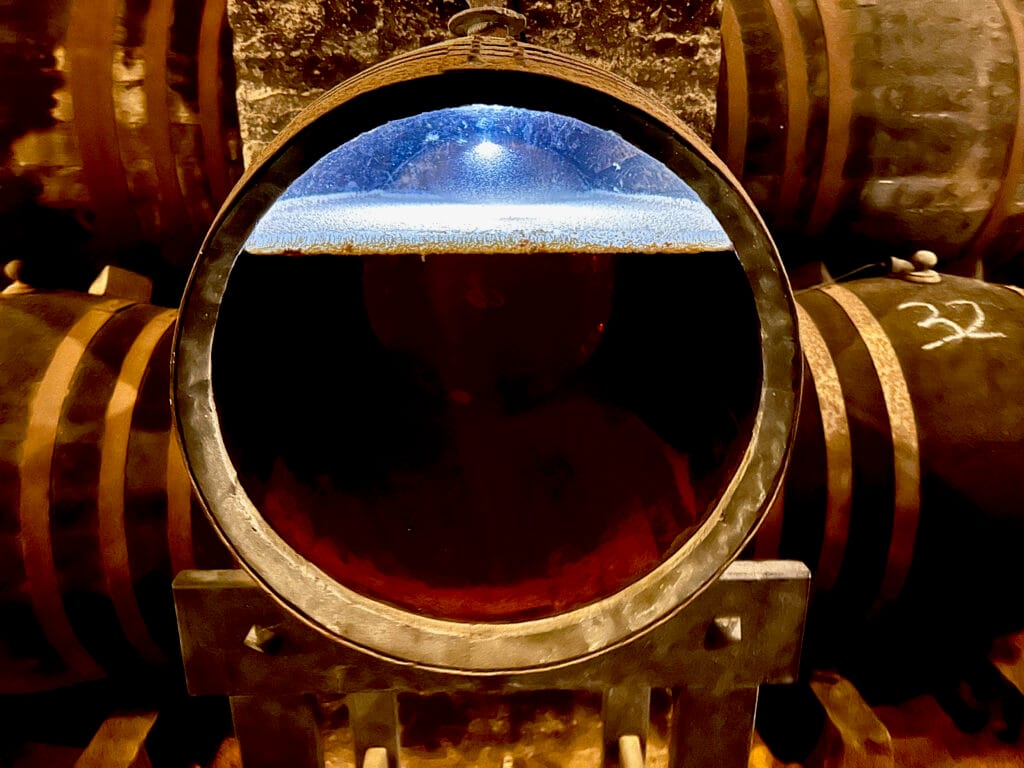
The DO website also covers Crianza (biológica under velo de flor in oak botas and crianza oxidativa) and the criaderas and soleras with the different wine styles as a result
| Style | Aging Type | Character |
|---|---|---|
| Joven / Blanco Joven | None | Fresh, fruity young white |
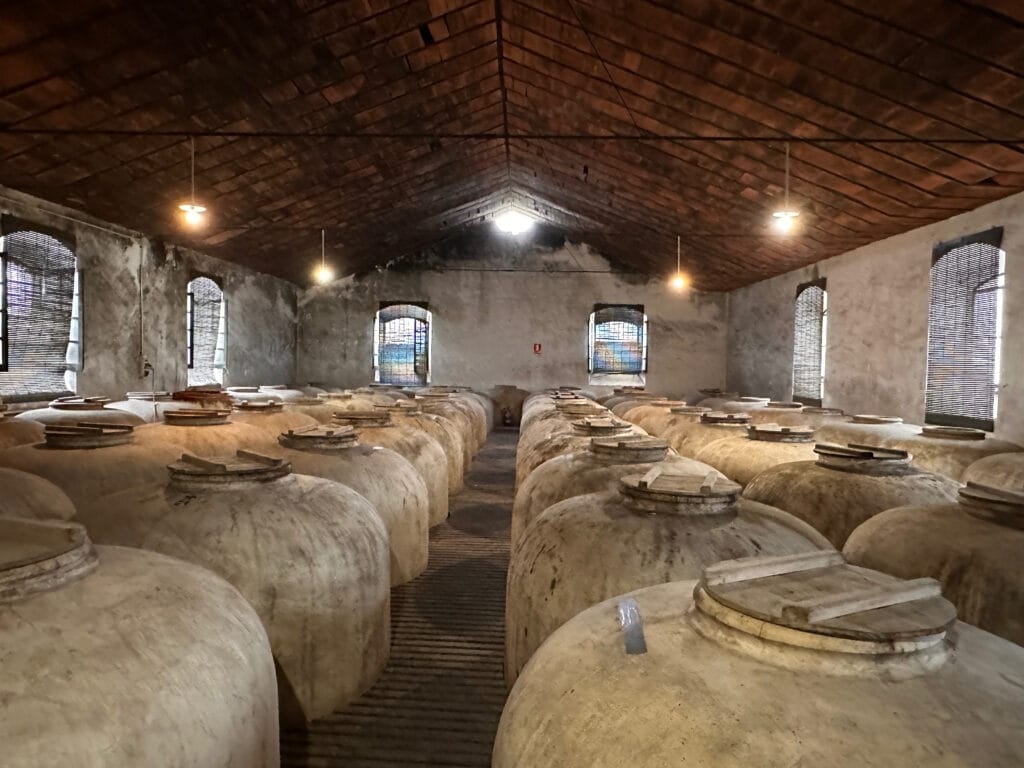
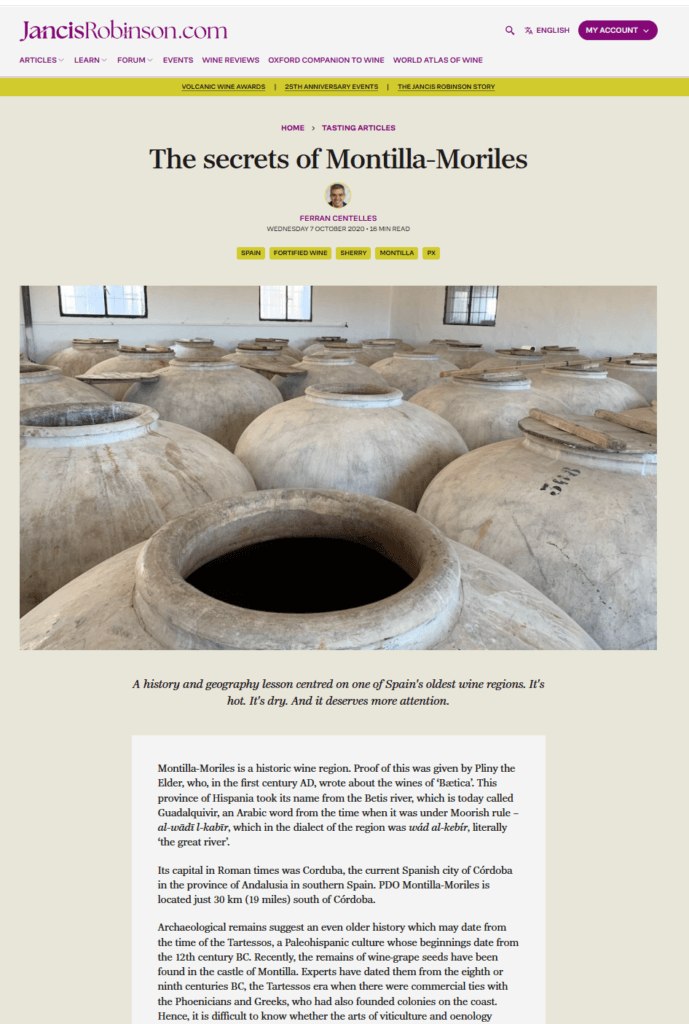
| Tinaja | Clay/cement vessels; some flor | Traditional, terroir-driven |
| Fino | Biological | Dry, delicate, almond notes |
| Amontillado | Biological → Oxidative | Dry, nutty, amber |
| Oloroso | Oxidative only | Rich, dark, complex |
| Palo Cortado | Biological → Oxidative (rare) | Between Amontillado & Oloroso |
| Cream / Pale Cream | Blended sweet styles | Commercial blended styles |
| Pedro Ximénez | Sun-dried grapes; oxidative | Intensely sweet, raisined |
Bodegas
For a complete list of bodegas, see the DO Montilla-Moriles site
Alvear
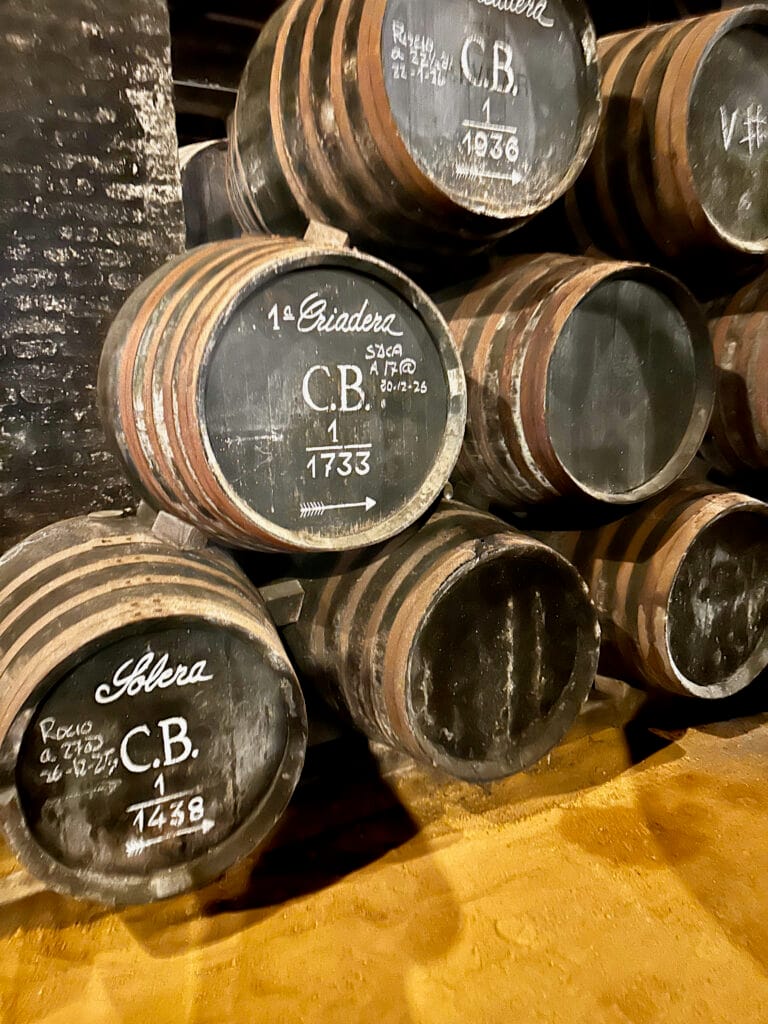
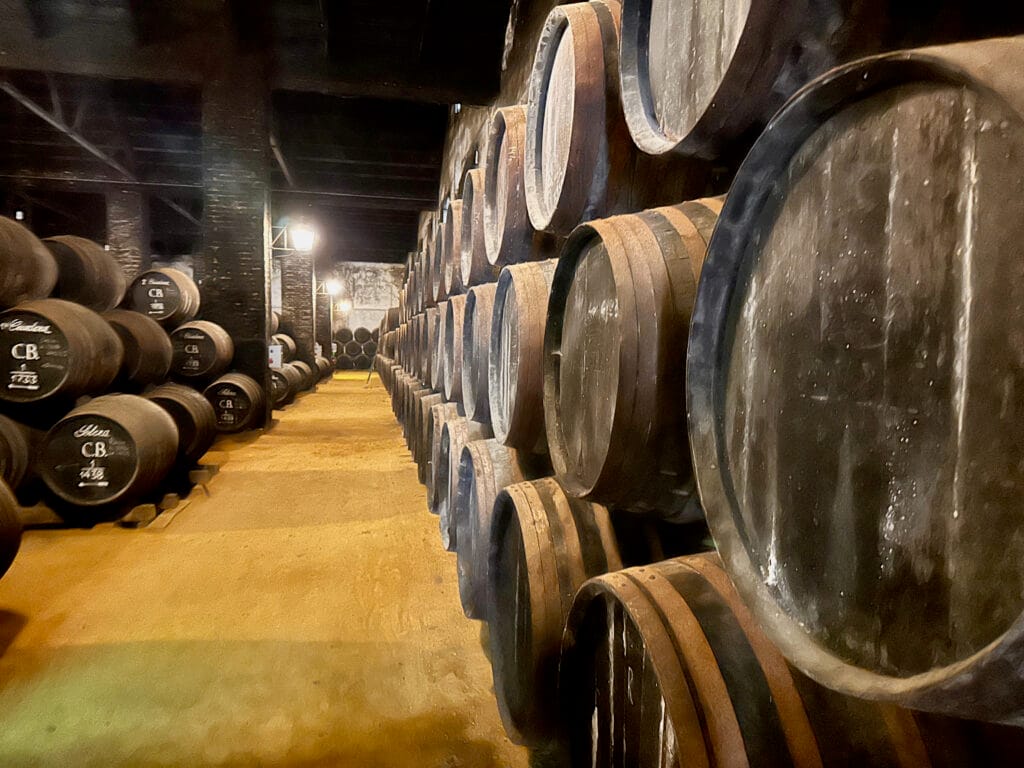
Founded 1729, oldest bodega in Andalusia. 300 ha in Sierra de Montilla, almost exclusively Pedro Ximénez. Benchmark: Fino C.B.
Toro Albalá
Founded 1922 in Aguilar de la Frontera. Globally recognized for vintage PX wines, including Don PX Convento Selección 1946 — the first sweet wine to receive a perfect 100-point Parker score. Also produces ultra-aged traditional vinegars and terroir-driven dry whites under the MIUT project.
Pérez Barquero
Founded 1905. Distinguished for the 1905 Solera Fundacional series (Amontillado and PX both scored 100 points by Parker). The Gran Barquero Fino undergoes up to 10 years of biological aging, reaching 15% ABV unfortified.
Robles
Founded 1927. Regional pioneer in certified organic viticulture since the late 1990s. Winner of the Spanish Ministry of Agriculture’s Award for Best Organic Production.
Equipo Navazos
Founded 2005 by Jesús Barquín (Professor of Criminology, University of Granada) and Eduardo Ojeda (Technical Director, Grupo Estévez). Selects and bottles exceptional individual casks from Jerez, Sanlúcar, and Montilla through the “La Bota” numbered release series. Pioneered the “en rama” movement and recovery of unfortified Andalusian whites.
- www.equiponavazos.com | Wine-Searcher
- Jerez, Manzanilla y Montilla Vinos Tradicionales de Andalucía
- Cork Talk with Jesús Barquín | Tim Atkin
Montilla-Moriles vs. Jerez
| Montilla-Moriles | Jerez | |
|---|---|---|
| Dominant grape | Pedro Ximénez (>75%) | Palomino Fino |
| Fortification (dry styles) | Typically none — reaches 15%+ naturally | Fortified to 15–15.5% (Fino/Manzanilla) |
| PX sweet wines | Fortified to 14–15%, nearly full barrels → preserves fruit freshness | Fortified to 18%, 5/6-full barrels → more oxidative |
| Flor strains | capensis / bayanus — thinner flor | beticus / montuliensis — thicker flor |
| Fino character | Fuller-bodied, richer (grape variety + continental climate + later harvest + thinner flor) | Lighter, more saline |
| Preferred generoso | Amontillado (= “in the Montilla style”) | Fino / Manzanilla |
| Best Fino aging | 8–10 years (e.g., Gran Barquero, Fino Capataz) | Typically younger |
| PX supply | Supplies virtually all of Jerez’s PX — the only wine Jerez may purchase from outside its zone | Imports PX from Montilla |
| Current vineyard area | ~5,000 ha (down from ~20,000 ha in late 1970s) | ~7,000 ha |
| DO recognition | 1932 (Consejo Regulador 1944) | 1933 |
Resources
Official DO and promotion
- DO Montilla-Moriles Consejo Regulador
- Ruta del Vino Montilla-Moriles | montillamoriles [Instagram]
- welovemontillamoriles.es
Books
- Jesús Barquín, Peter Liem
- Sherry, Manzanilla & Montilla (Manutius, 2012, 978-0985981501)
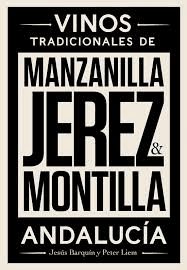
- Jerez, Manzanilla y Montilla – Vinos Tradicionales de Andalucía (Abalon, 2020, 978-8412096767)
Articles
- The Secrets of Montilla-Moriles (2020), Ferran Centelles, Oct 2020, JancisRobinson.com – extensive article with tasting notes
- Decanter: “Regional Profile: Montilla-Moriles” — Sarah Jane Evans MW (Oct 2023)
Last updated: February 2026